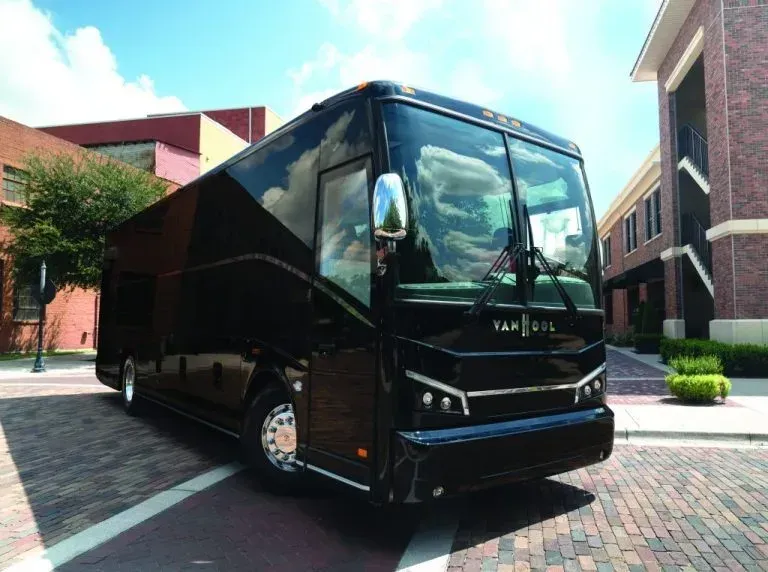
Managing transportation for a large group can rapidly become a complicated undertaking when numerous schedules, pickup plans, and travel expectations must be considered. Whether the event involves business gatherings, family functions, group activities, or special occasions, achieving timely arrivals for everyone calls for careful planning. An effective transportation plan helps prevent misunderstandings, limits delays, and contributes to a smoother experience for everyone involved. By mastering the important elements of coordinating group transportation, planners can deliver a smooth and organized travel experience from start to finish.
When groups travel as one, transportation becomes much more than a means of getting passengers from one point to another. It becomes an important part of the overall event experience. Careful organization helps preserve timelines, strengthen participant communication, and improve overall travel comfort. At A1 Quality Express Limousine, we know that well-planned transportation solutions help groups enjoy a confident and hassle-free travel experience.
Initiate Transportation Planning Well Before the Event
Successful group transportation begins with early preparation. Delaying arrangements until the final stages can reduce available choices and make it harder to meet the group's unique requirements. Organizers should first establish attendance numbers, travel dates, projected departure times, and destination details. Gathering this information early creates a solid foundation for making transportation arrangements that support the event's overall schedule.
Planning ahead also provides opportunities to recognize potential issues before they escalate. Factors such as traffic flow, scheduling considerations, pickup logistics, and traveler accessibility needs can impact transportation planning. By managing these considerations early, planners can create a transportation approach that promotes efficient group travel. Careful planning regularly produces more efficient travel experiences with fewer complications.
Identify the Group's Size and Requirements
One of the most important steps in coordinating transportation for large groups is understanding the group's size and specific requirements. Precise attendance figures help support proper vehicle selection and reduce the risk of overcrowding or unused capacity. Organizers should confirm attendance numbers as early as possible and continue updating those figures as plans evolve.
Passenger counts are important, but personal requirements within the group should also be considered. Some group members may have additional baggage needs, while others may benefit from specific accommodations or assistance. Recognizing these requirements helps transportation plans be tailored appropriately. Taking the time to gather comprehensive information helps create a read more more comfortable and efficient experience for all passengers.
Design a Well-Organized Transportation Schedule
A structured transportation timetable acts as a blueprint for all participants. Planners should specify departure schedules, pickup points, travel durations, arrival goals, and any scheduled stops. A precise itinerary reduces ambiguity and helps every participant stay informed about their responsibilities. Maintaining clarity and consistency is crucial when coordinating transportation for large groups.
Strong communication is fundamental in keeping schedules functional and accurate. Every passenger should receive transportation details well before the event begins. Providing schedules through digital platforms or printed copies helps maintain awareness among participants. Well-defined expectations contribute to smoother and more efficient transportation execution.
Set Up Central Pickup and Drop-Off Points
Coordinating multiple pickup locations can make group transportation more complex than needed. When possible, coordinators should use unified pickup and drop-off points for participant convenience. Bringing participants together at one location streamlines boarding and reduces logistical delays. It contributes to clearer communication and better operational performance.
Centralized points allow for easier confirmation of all travelers before departure. Organizers can verify participants, communicate updates, and clarify details before the trip starts. This approach promotes readiness and keeps operations running according to plan. Clear designated points strongly support a coordinated travel process.
Prioritize Clear Communication Throughout the Process
Strong communication is a critical factor in effective coordination of group travel. Travelers should be consistently informed about timing, pickup guidance, expectations, and updates. Reliable information ensures passengers can prepare without uncertainty. Good communication improves operational flow and traveler satisfaction.
Coordinators should set up consistent communication methods for all updates. Designated contacts and digital communication tools help spread updates quickly. In the middle of any successful transportation plan, communication remains the connecting element that keeps everyone informed and aligned. Frequent updates improve reassurance and reduce potential issues.
Plan for Unexpected Circumstances
No matter how detailed the plan, unexpected conditions may still arise. Weather issues, traffic delays, schedule changes, and participant lateness may require fast decisions. Flexibility within planning improves the ability to handle sudden changes. Good preparation improves resilience during unexpected changes.
Preparedness plans should incorporate communication backups and alternative arrangements. Having clear processes reduces pressure and improves response organization. Proactive planning allows transportation operations to continue efficiently even when adjustments become necessary.
Focus on Passenger Comfort and Convenience
The comfort of travelers strongly influences the journey experience. Large groups often spend extended periods traveling together, making convenience and comfort important considerations. Comfort-focused arrangements help create a pleasant journey atmosphere. Travelers who feel comfortable are more likely to enjoy the experience and arrive ready for their planned activities.
Ease of travel contributes significantly to successful coordination. Easy boarding systems, clear directions, and efficient scheduling reduce complications. When transportation is thoughtfully organized, travelers can focus on enjoying the event rather than worrying about logistics. A comfortable and convenient journey often enhances the overall success of the occasion.
Collaborate with Experienced Transport Providers
Handling group transportation requires managing many elements, making expert support important. Experienced teams are skilled in managing logistics and maintaining smooth operations. Their knowledge supports smooth navigation of logistical challenges and ensures reliability.
Professional transportation teams often bring valuable insights that improve overall coordination. Their experience with group travel helps them anticipate issues and suggest effective solutions. By leveraging professional experience, organizers can focus on the event itself while transportation logistics are managed with attention to detail and care.
Treat Transportation as Part of the Overall Experience
Transportation functions best when integrated into the event experience. Organized transportation helps passengers enjoy and engage before the event begins. Effective transportation planning improves the overall experience and fosters a professional atmosphere.
At A1 Quality Express Limousine, we are committed to thoughtful planning, clear communication, and passenger-focused service. Organizing large-group transportation does not need to be overwhelming when proper strategies are applied. Attention to structure and comfort ensures successful group transportation experiences. We take pride in helping create smooth transportation experiences that allow every passenger to travel with confidence and peace of mind.